

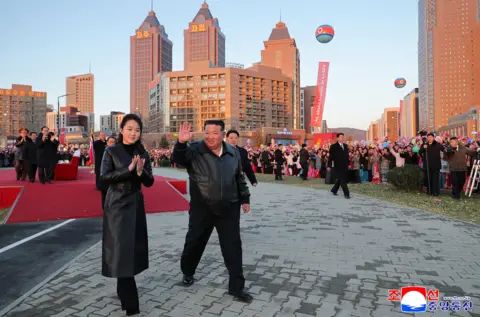
During pledges against South Korea and promises to develop the atomic arms programme, a key query lingered at the recent key meeting: could the leader's 13-year-old child be named as the successor?
Although definitive news failed to emerge this week, it has fueled a significant debate about the young girl's potential as the next ruler of the 25m-strong nation, a regime solely led by the Kim dynasty.
Growing Visibility and Speculation
The girl has become increasingly present in regime propaganda alongside her parent. Nonetheless, much about her remains a secret. The regime has never officially disclosed her full name or verified her age.
She was initially made known internationally in 2013. From that point, she is widely estimated to be 13 years old, partly on analyst assessments.
Signs of Succession
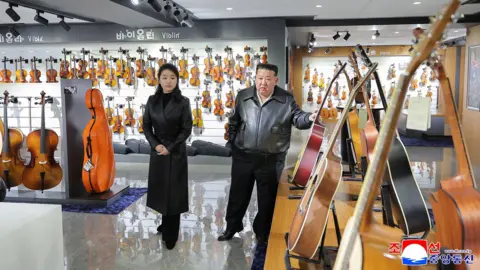
Observers highlight several key indicators. Her prominent TV spots—frequently framed in the frame—and the use of respected titles usually used for the ruler are seen as clear indicators.
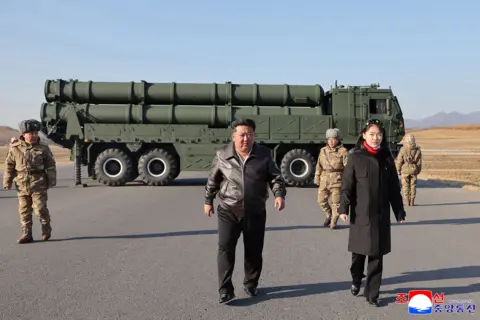
Moreover, her close association with the army is considered another crucial piece. She has observed forces and missiles alongside her father. Often, top generals have been observed bending next to her to confer during military events.
"Official broadcasts is employing words exclusively used for the ruler. It reinforces her own iconic image," says one respected analyst.
This martial exposure is thought vital, as real authority in North Korea lies with dominance over the army. To be a credible future leader, she must be seen as a capable figurehead.
Debate Over Sex and Tradition
However, a significant counter-argument is raised. Some experts argue that North Korea's inherently patriarchal society presents an formidable obstacle for a female ruler.
They point out that females at every level face difficulties for equal treatment. Female leaders in top positions are extremely uncommon. Common practices also highlight these norms.
"In such cases, they end the ride then go to the back of their car and spit three times to ward off the bad luck," describes a former regime official.
Evolving Cultural Landscape
Alternatively, other analysts contend that the role of females in North Korea has transformed significantly since the 1990s famine.
During that crisis, as the public economy collapsed, women increasingly became the primary entrepreneurs, turning to private trade. This has reportedly led to a perceptible transformation in societal dynamics.
One researcher who has spoken to many former residents states that it is now no longer unusual to see females in managerial jobs within the regime.

"We cannot think of North Korea with our logic. We must consider them as the ancient kingdom," notes the analyst. "What person would have the audacity to defy a person of Kim heritage who is assuming the leadership?"
Strategic Calculations
Latest party developments are also being scrutinized. The promotion of Kim Yo Jong, the leader's sister, to a senior propaganda position is seen by some as a step to position a guardian for the possible successor.
Ultimately, experts are split. Some see the attention on Ju Ae as a calculated tactic to soften the leader's image and signal another hereditary transfer of power. Others believe the signals of her grooming are far too substantial to dismiss.
Irrespective, the speculation alone may serve a goal for the Pyongyang, ensuring global attention firmly trained on the isolated Kim family dynasty.


